For decades, size has been one of the most visible markers of success in the yachting industry. Longer hulls. More decks. Greater volume. Each new launch pushes the limits a little further, setting new benchmarks for scale, presence, and ambition. In many ways, this progression has come to define modern luxury yachting. But as the industry evolves, a quieter question is beginning to emerge. Is bigger always better?
The traditional view of luxury
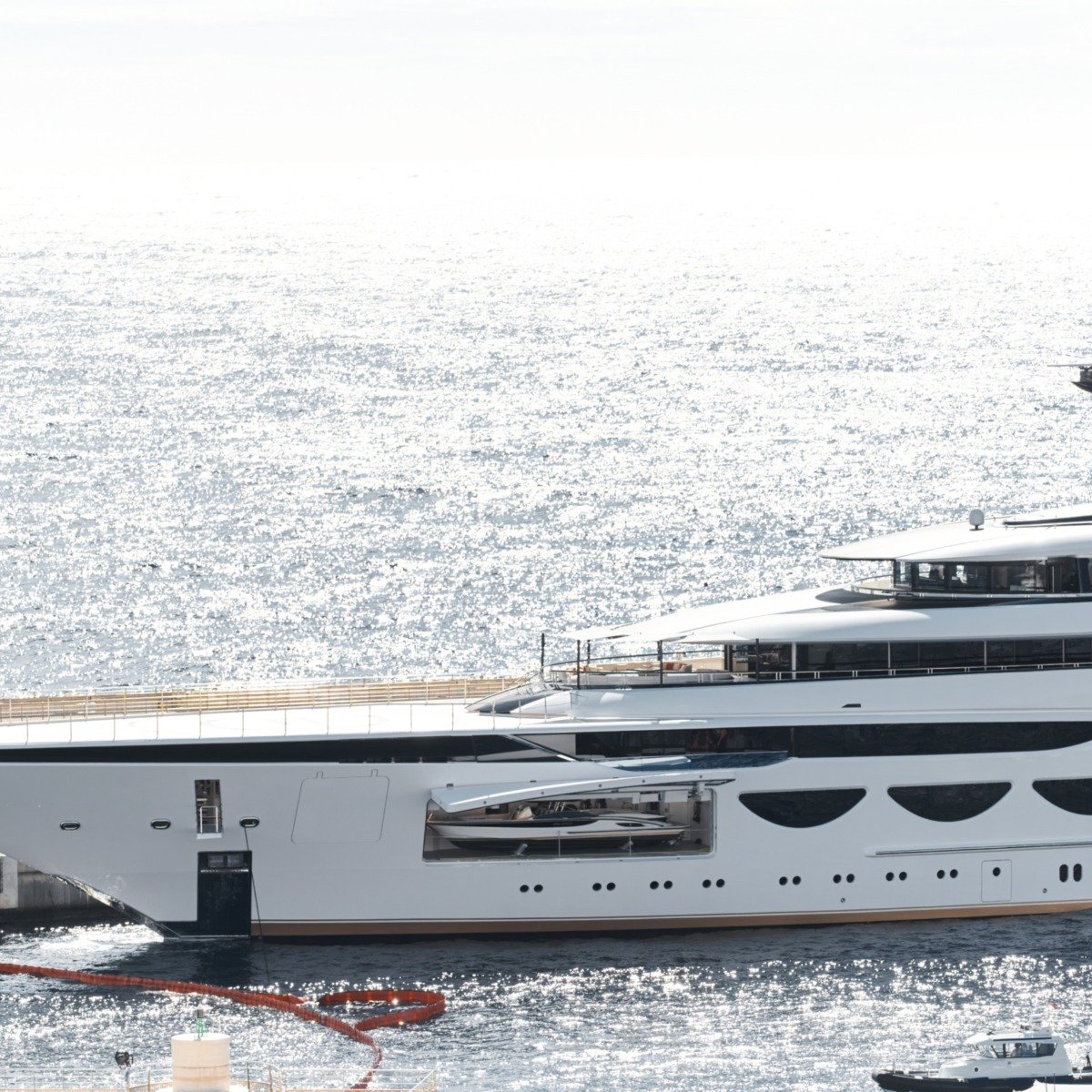
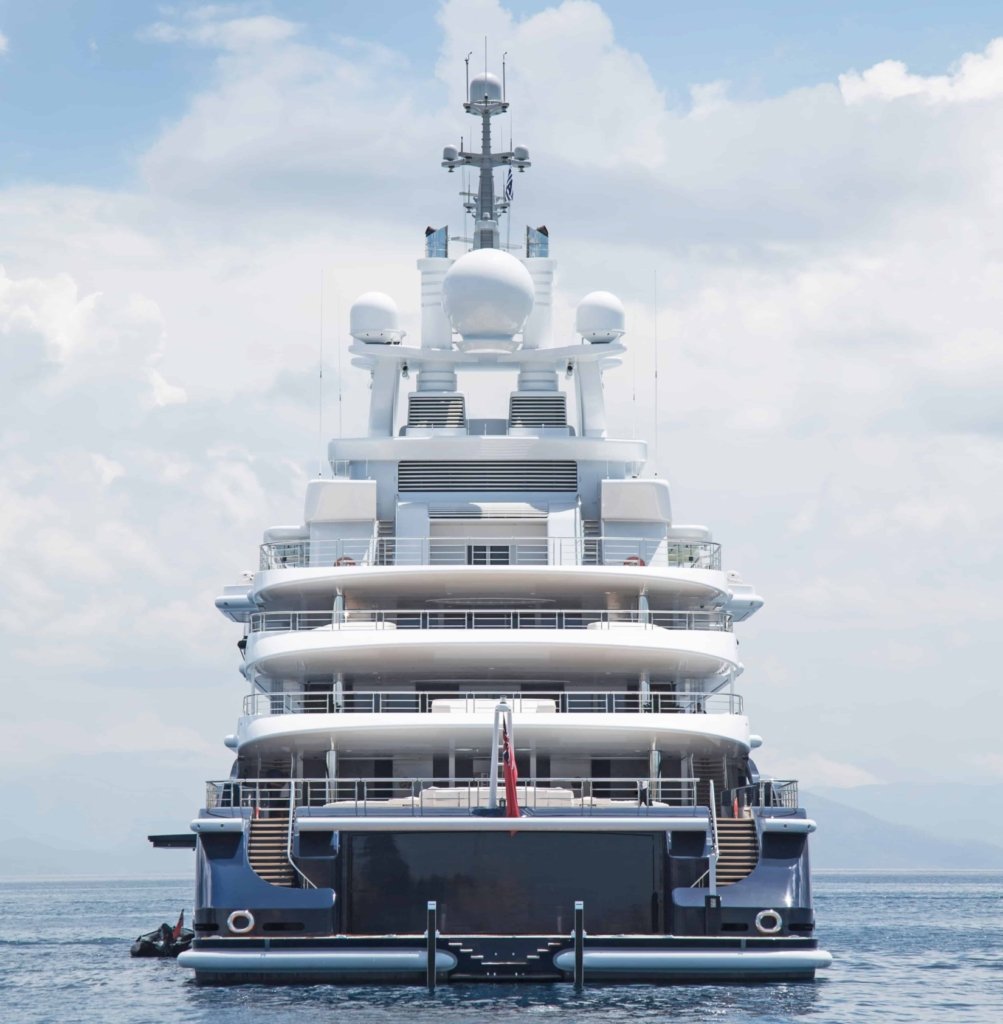
Historically, larger yachts have been associated with greater capability and comfort. More space allows for additional amenities, expansive layouts, and the ability to travel further with increased autonomy. From private cinemas to beach clubs, wellness areas to multiple tenders, size has enabled designers and shipyards to create increasingly complex and impressive vessels. There is no denying that scale brings possibilities. But it also sets expectations. And once those expectations are established, they are rarely scaled back.
The reality behind scale
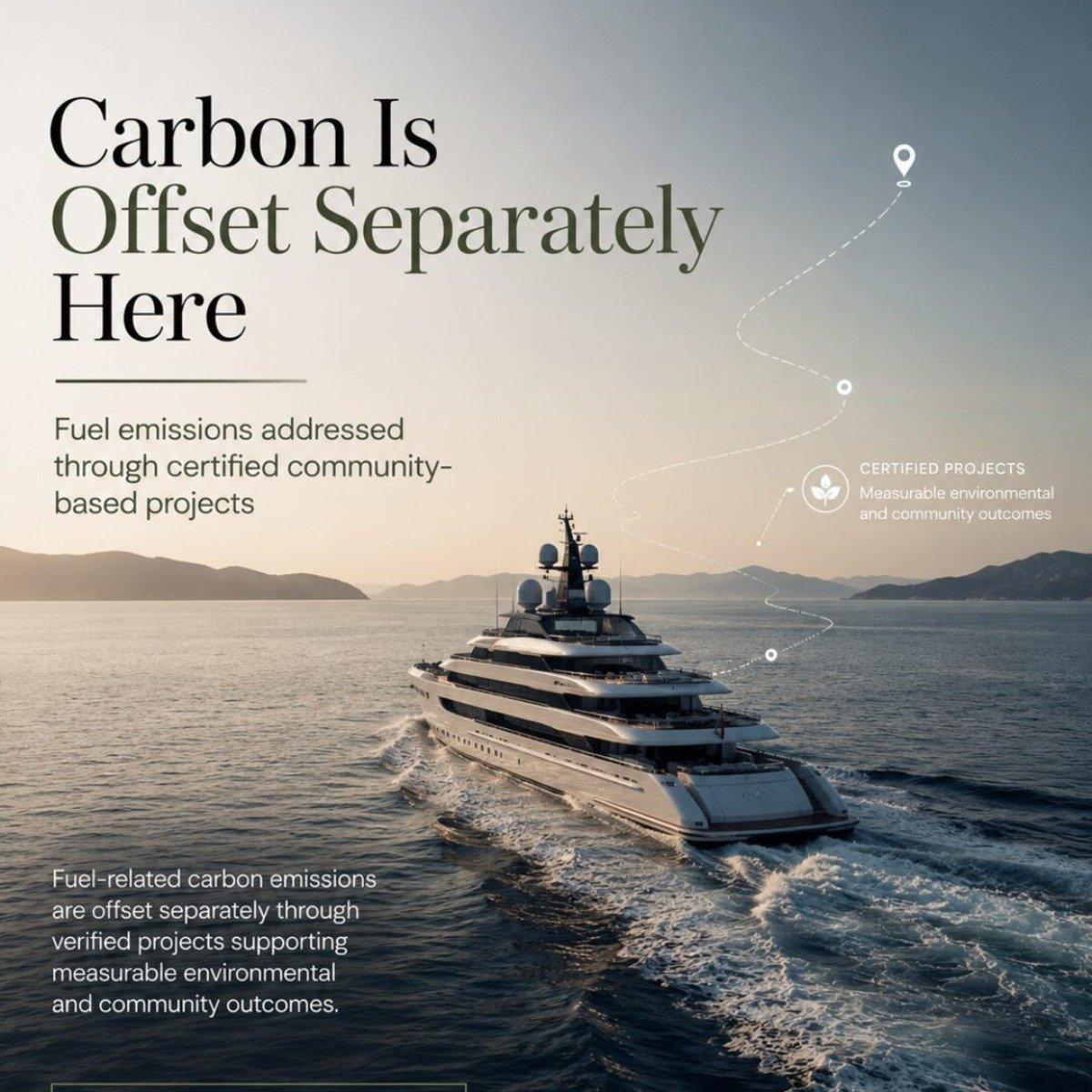
As yachts grow, so do the demands placed on them. More materials are required during construction. More systems are needed to operate them. More crew are required to run them efficiently. And with that comes a larger operational footprint, from fuel consumption to maintenance, logistics, and long-term upkeep. These factors are rarely the headline features of a yacht. They sit quietly behind the scenes. But they are part of the full picture. In an industry that is becoming more aware of environmental impact, these realities are becoming harder to overlook.
Bigger yachts, bigger expectations
There is also a less obvious side to scale. Larger yachts often come with more complexity in how they are used. More space does not always translate into a better onboard experience. In some cases, it can create distance, between guests, between spaces, even between the yacht and the sea itself. A yacht can be impressive in size, yet feel disconnected in experience. This is where design begins to matter more than dimension.
A shift towards experience
There is a noticeable shift happening in what many owners value. Rather than focusing purely on length or volume, there is growing interest in how a yacht feels and functions. Layout, flow, natural light, and connection to the sea are becoming central to the onboard experience. A well-designed 50-metre yacht can, in many ways, offer a more engaging and enjoyable experience than a larger vessel that lacks cohesion. This does not diminish the value of larger yachts. It simply highlights that size alone is no longer enough.
A shift in sailing yachts
One of the clearest examples of this shift can be seen in the sailing yacht segment. For many years, sailing yachts followed a similar trajectory to motor yachts, gradually increasing in size. Larger hulls, more volume, and greater onboard complexity became the norm as projects pushed the boundaries of what was possible. But more recently, there has been a noticeable change in direction. There is growing interest in slightly smaller, more considered sailing yachts. Designs that prioritise balance, usability, and connection to the sea over sheer scale. Yachts that feel more intuitive to sail, more engaging to experience, and more aligned with the essence of being on the water. This does not represent a step backwards. Rather, it reflects a more refined approach to what makes a yacht truly enjoyable. In many ways, it reinforces the idea that experience does not always scale with size.
Design over dimension
Some of the most interesting yachts in recent years are not necessarily the largest. Instead, they stand out for how intelligently space is used. Outdoor living areas that feel natural and open. Interiors that flow seamlessly into exterior spaces. Designs that prioritise experience over excess. These yachts feel intentional. They are not defined by how much space they have, but by how well that space works.
The sustainability conversation
Sustainability is also quietly influencing this shift. Larger yachts inevitably require more resources, both in construction and operation. As conversations around environmental impact become more prominent, scale becomes part of that discussion. This does not mean that large yachts are disappearing. But it does mean that their role is being reconsidered. Efficiency, material choices, and long-term impact are beginning to sit alongside traditional measures of luxury. And for some owners, that is starting to matter.
Rethinking what “better” means
The question is not whether large yachts will continue to exist. They will, and they will continue to push boundaries in design and engineering. But “better” is no longer defined by size alone. Better can mean more efficient. Better can mean more thoughtful. Better can mean more connected to the environment in which these yachts operate. It is less about how much space is available, and more about how that space is experienced.
A more considered future
Yachting has always evolved, just not always loudly. What we are seeing now is not a dramatic shift away from large yachts, but a gradual rebalancing of priorities. For some, that still means building at scale. For others, it means designing with greater intention. Both approaches can coexist. But the conversation is changing.
A Changing Perspective
Size will always play a role in yachting. It is part of the industry’s history and identity. But it is no longer the only measure of excellence. As expectations shift, the definition of luxury is becoming more nuanced. Experience, efficiency, and responsibility are beginning to sit alongside scale. Which makes the answer less straightforward. Bigger can be better. But not always.