What does sustainability look like when it starts in a village rather than a boardroom?
In Malawi, environmental protection is closely tied to everyday survival. Trees provide essential firewood and building materials, while Lake Malawi provides fish that sustain local communities. When these resources come under pressure, communities feel the impact first.
Since 2003, Ripple Africa has worked alongside local communities to develop practical solutions that address both environmental challenges and community needs. From forest conservation and tree planting to fuel-efficient cookstoves and fisheries management, the organisation focuses on locally driven ideas that support long-term sustainability.
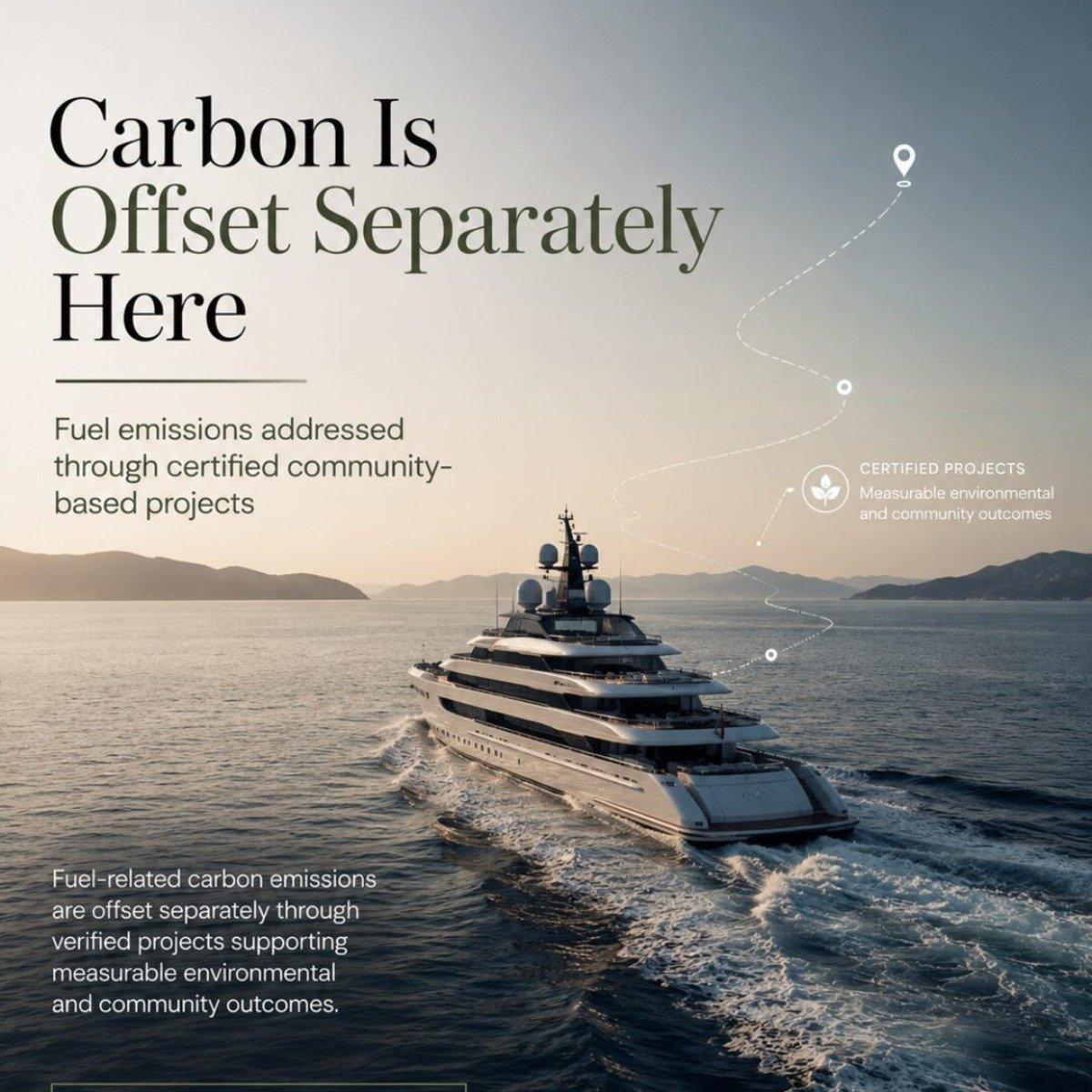
Growing Decks partners with Ripple Africa to support these community-led environmental initiatives in Malawi, recognising that meaningful sustainability must consider both ecosystems and the people who rely on them.
We spoke with the Ripple Africa team about how their projects began, the challenges of implementing them, and what people outside Malawi might be surprised to learn about the scale and impact of their work.
1. What inspired Ripple Africa to start combining environmental projects with community development in Malawi?
Ripple Africa was founded in 2003 by British couple Geoff and Liz Furber, who started the charity in a very small way supporting local Education and Healthcare projects. But it wasn’t long before Geoff realised that two of the biggest challenges facing Malawians were the rate of deforestation in the country, and overfishing in Lake Malawi. Malawians rely on trees for firewood and timber, and fish is one of their main sources of animal protein.
Worried about the long-term future for Malawians, Geoff arranged meetings with local communities to learn more about why people were cutting down forests, and why there were so many more fishermen.
From these gatherings, they came up with simple community-led ideas and solutions and so our environmental projects started. These projects, tree planting, forest conservation, fuel-efficient cookstoves, and fish conservation did not all start at the same time but over several years and while they started in Nkhata Bay District, they now span six Districts in Malawi.
The charity’s overriding aim is to empower communities so they themselves can achieve a sustainable future. Everything Ripple Africa does is in response to the local communities’ needs and with the philosophy “Providing a hand UP and not a hand out.”
2. What’s one challenge you didn’t expect when implementing cookstoves or carbon projects, and how did you overcome it?
We originally started an income generating project with local women making Chitetezo Mbaulas – a single burner clay cookstove – but we quickly realised that whilst the women were great at making the stoves, they were not natural saleswomen.
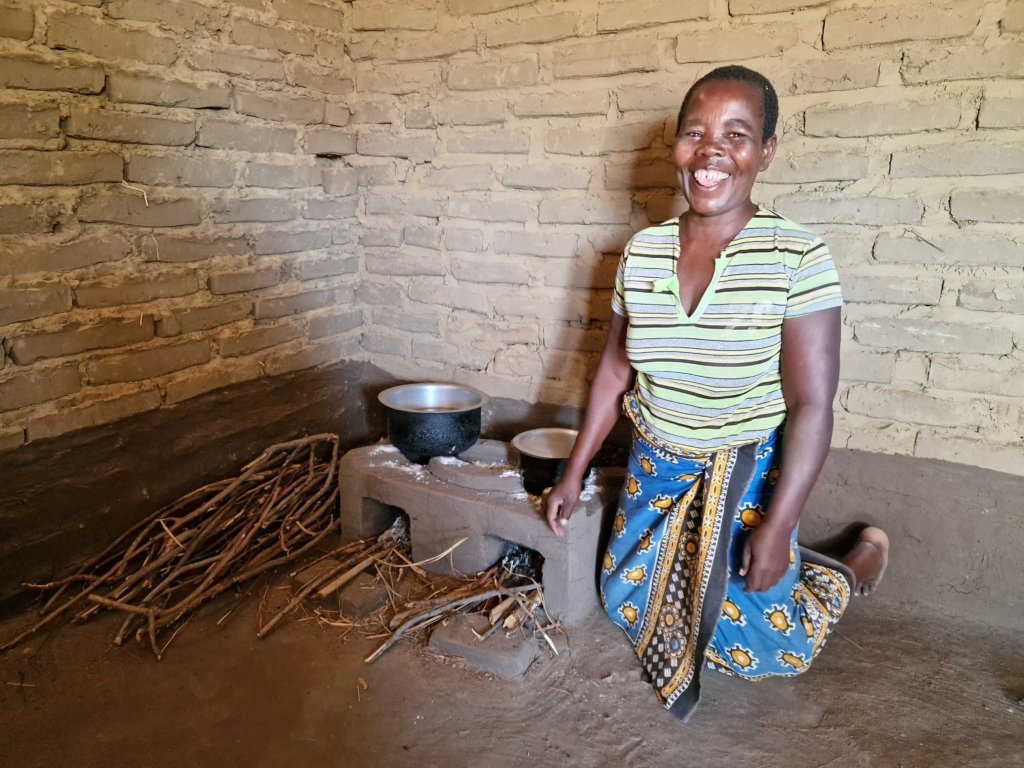
We gathered additional feedback from the householders on the other challenges of cooking in Malawi and our ChanguChangu Moto fuel-efficient cookstove was born. Built from mud bricks smeared with mud, they are free for the householder to build and the women love them as they can cook two things at the same time, they are safer, and they save time and money as less firewood is needed.
Once we had started helping people to build their ChanguChangu Motos, we knew that it would take time for them to become used to using them all the time. They had only ever cooked using a traditional three-stone fire so our cookstoves were a new concept to them. Therefore, we ensure regular visits to the same village take place time and again to provide support and encouragement to the women, and to assist with maintaining the stoves and check that they are using the correct size of firewood.
3. What’s one thing people outside Malawi might be surprised to learn about your work?
People are surprised by different things but more commonly the range of projects that we do across four sectors, the number of Malawians we employ and who are involved in the projects, and the distances we have to cover in Malawi.
We employ over 900 Malawian full and part time staff, and have over 6,300 Malawian volunteers running 15 main projects in six Districts in Malawi. The charity only employs Malawian nationals in Malawi and people are often surprised to learn that given the size of Ripple Africa in Malawi, we only have a small UK team of nine which includes our founders who don’t get paid.
It is because of this that we make a tremendous impact on the local communities, and despite our achievements and ambitious scope, we are still small enough that the charity remains home-grown and grassroots based – and it is our intention to keep it that way.
Ripple Africa is committed to all projects in the long term; everything we do operates at grassroots level, involving local people in all aspects of its activities, helping to ensure that the local communities have a positive, more prosperous and happy future in an amazing country.
Above all, everyone involved is so passionate about what the charity is doing, and it is this great enjoyment and enthusiasm which makes Ripple Africa the charity that it is.
Looking Ahead
Ripple Africa’s work highlights an important truth about sustainability: lasting environmental progress rarely happens in isolation. It happens when solutions are developed alongside the communities who live closest to the challenges.
From reforestation and forest conservation to fuel-efficient cookstoves and fisheries management, Ripple Africa’s projects show how environmental protection and community development can move forward together.
Through our partnership with Ripple Africa, Growing Decks is proud to support initiatives that create meaningful environmental and social impact. Because responsible sustainability is not only about protecting natural resources. It is also about empowering the communities working to safeguard them every day.